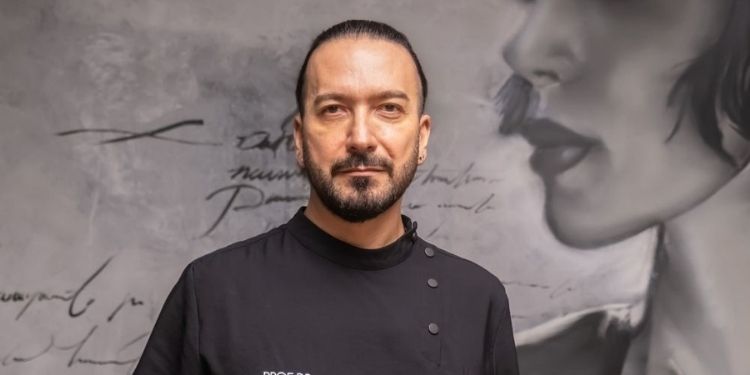
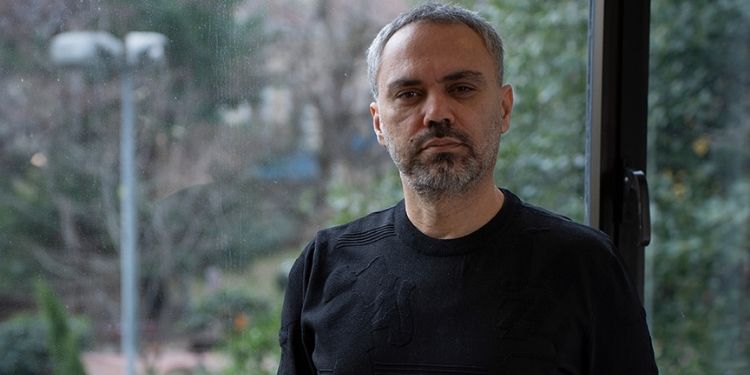
Best rhinoplasty surgeons in Turkey are highly recognized for their expertise in aesthetic and functional nose surgeries. With advanced training and artistic precision, they deliver natural-looking results while preserving or improving breathing function, making Turkey a global hub for rhinoplasty procedures.
Top rhinoplasty clinics in Turkey specialize in both primary and revision surgeries, addressing cosmetic concerns, trauma-related deformities, and congenital issues. Each operation is planned individually, ensuring that nasal proportions harmonize with the patient’s facial features.
Minimally invasive techniques and advanced surgical methods, such as ultrasonic rhinoplasty and piezo technology, are widely applied in Turkey. These approaches reduce swelling, minimize trauma, and support faster recovery with more predictable outcomes.
Medical tourism in Turkey continues to grow due to the popularity of rhinoplasty. Patients benefit from affordable packages, internationally accredited surgeons, and state-of-the-art clinics, making Turkey one of the leading destinations for high-quality nose surgery worldwide.
Why Turkey is a Top Destination for Rhinoplasty
Turkey has rapidly ascended the ranks as a premier global destination for rhinoplasty, attracting a significant international patient base. This rise is fueled by a potent combination of factors that make it an attractive choice for individuals seeking nasal surgery. The country’s strategic investment in medical infrastructure and the cultivation of highly skilled surgical talent form the bedrock of this success.
Experienced Surgeons and Advanced Techniques
A cornerstone of Turkey’s appeal lies in its abundance of highly trained and experienced plastic surgeons specializing in rhinoplasty. Many of these professionals have honed their craft in leading institutions across Europe and North America, bringing a global standard of expertise to their practice. They are proficient in a wide array of surgical techniques, from traditional open rhinoplasty to less invasive closed methods and specialized approaches like ultrasonic rhinoplasty (piezo rhinoplasty). This diversity in skill ensures that patients can find a surgeon well-suited to their unique anatomical needs and aesthetic goals. The commitment to continuous professional development is evident, with Turkish surgeons frequently participating in international conferences and workshops, staying abreast of the latest advancements in the field. This dedication translates into safer procedures and more predictable, aesthetically pleasing outcomes for patients.
Competitive Pricing and Value for Money
The cost-effectiveness of rhinoplasty in Turkey is undeniably a major draw for international patients. When compared to prices in Western Europe, the United States, or Australia, the fees for rhinoplasty in Turkey are significantly lower. This disparity isn’t indicative of lower quality; rather, it reflects Turkey’s lower operational costs, including medical staff salaries and facility overheads, alongside a competitive market landscape. Patients can often afford a high-quality procedure, including the surgery, pre-operative consultations, post-operative care, accommodation, and even a brief recovery holiday, for a fraction of the price they might pay at home. This affordability makes cosmetic surgery accessible to a broader demographic, allowing more individuals to achieve their desired aesthetic results without compromising on safety or expertise. The value proposition is compelling, offering a blend of affordability and excellence that is hard to match elsewhere.
State-of-the-Art Medical Facilities
Turkish clinics and hospitals catering to medical tourists are equipped with modern technology and adhere to stringent international quality standards. Many facilities boast JCI (Joint Commission International) accreditation, a globally recognized symbol of quality and safety in healthcare. These centers feature advanced surgical suites, modern diagnostic equipment, and comfortable recovery rooms designed to provide a healing environment. The integration of technology, such as 3D imaging for pre-operative planning, allows surgeons to meticulously map out the surgical approach and visualize potential outcomes with the patient. This commitment to infrastructure ensures that patients receive care in a safe, sterile, and technologically advanced setting, comparable to the best facilities worldwide. The emphasis on patient comfort and safety is paramount, creating a reassuring experience for those undergoing surgery.
Comprehensive Medical Tourism Packages
To streamline the process for international patients, many Turkish clinics offer comprehensive medical tourism packages. These all-inclusive deals typically cover:
- Airport transfers: Hassle-free transportation from the airport to the hotel and clinic.
- Accommodation: Comfortable stays in reputable hotels, often with arrangements for a companion.
- Surgical consultation: Detailed pre-operative assessment with the surgeon.
- The rhinoplasty procedure: Including anesthesia and the surgical fees.
- Post-operative care: Follow-up appointments and necessary medications.
- Translation services: Assistance to overcome any language barriers.
These packages simplify logistics, allowing patients to focus on their recovery and the exciting prospect of their new nose. This integrated approach minimizes stress and ensures a smooth, well-managed experience from arrival to departure. The convenience offered by these packages removes many of the typical anxieties associated with traveling abroad for medical treatment.
Understanding Rhinoplasty: Types and Techniques
Rhinoplasty, commonly known as a nose job, is a surgical procedure designed to reshape the nose. It can be performed for aesthetic reasons, to improve breathing, or both. Understanding the different types and techniques is crucial for patients considering this procedure in Turkey or anywhere else.
Aesthetic Rhinoplasty
Aesthetic rhinoplasty focuses on improving the overall appearance of the nose. This can involve altering the size, shape, and proportions of the nose to achieve better harmony with other facial features. Common aesthetic goals include:
- Reducing or increasing nose size: Adjusting the nose to be more proportionate to the face.
- Reshaping the nasal tip: Refining the tip for a more refined or balanced look.
- Straightening the nasal bridge: Correcting a hump or bump on the bridge.
- Narrowing the nostrils: Improving the width of the nostrils for a more balanced profile.
- Correcting asymmetry: Addressing any unevenness in the nose’s structure.
The aim is not to create a “perfect” nose, but rather one that looks natural and enhances the patient’s unique facial characteristics. The surgeon works to achieve results that are both aesthetically pleasing and functionally sound.
Functional Rhinoplasty
Functional rhinoplasty addresses breathing problems caused by structural issues within the nose. Often, these issues are congenital, resulting from injury, or exacerbated by previous surgery. Common functional concerns include:
- Deviated septum: When the wall between the nostrils is off-center, obstructing airflow. This is surgically corrected through a septoplasty, which can be combined with rhinoplasty.
- Enlarged turbinates: Internal structures that can swell and block nasal passages.
- Nasal valve collapse: Weakness or narrowing of the nasal airways, often at the entrance.
Functional rhinoplasty aims to improve airflow and alleviate symptoms like chronic congestion, snoring, and difficulty breathing through the nose. It is often performed in conjunction with aesthetic rhinoplasty, a procedure known as septorhinoplasty, to address both form and function simultaneously.
Types of Rhinoplasty Techniques
The surgical approach for rhinoplasty can be broadly categorized into two main types:
Open Rhinoplasty
In open rhinoplasty, the surgeon makes a small incision across the columella, the strip of tissue separating the nostrils. This approach provides direct visualization of the underlying nasal structures, allowing for precise manipulation of cartilage and bone.
- Advantages: Offers excellent exposure and access to the nasal framework, making it ideal for complex cases, revision rhinoplasty, or significant structural changes.
- Disadvantages: Results in a small, external scar on the columella, which typically fades well but is still present. It may also involve slightly more swelling and a longer initial recovery period compared to the closed technique.
Closed Rhinoplasty
Closed rhinoplasty involves making incisions entirely inside the nostrils. This technique avoids an external scar.
- Advantages: No visible external scar, potentially less swelling, and a quicker initial recovery.
- Disadvantages: Limited direct visualization of the nasal structures, which can make complex modifications more challenging. It is often preferred for less intricate adjustments or when the primary goal is minor tip refinement.
Ultrasonic Rhinoplasty (Piezo Rhinoplasty)
This advanced technique utilizes ultrasonic energy to precisely shape nasal bones and cartilage. A specialized piezoelectric device emits high-frequency vibrations that can carefully shave or cut bone without damaging surrounding soft tissues, like skin, nerves, or blood vessels.
- Advantages: Offers exceptional precision in bone reshaping, leading to smoother nasal bridges and reduced trauma to soft tissues. This can result in less bruising, swelling, and a potentially faster recovery. It is particularly effective for hump reduction and osteotomies (bone cuts).
- Disadvantages: Requires specialized equipment and advanced training, so not all surgeons offer this technique. It can be more expensive than traditional methods.
The choice of technique depends on the patient’s specific nasal anatomy, the desired changes, and the surgeon’s expertise. During your consultation in Turkey, your surgeon will discuss the most appropriate method for your individual case.
What to Expect During Your Rhinoplasty Journey in Turkey
Embarking on a rhinoplasty journey in Turkey involves several distinct phases, from initial inquiry to post-operative recovery. Understanding each step can help manage expectations and ensure a smoother experience.
Pre-Consultation and Virtual Assessment
Many Turkish clinics understand the logistical challenges for international patients. Therefore, the process often begins with a thorough pre-consultation, which can frequently be conducted virtually.
- Initial Contact: You’ll typically reach out to the clinic via their website or a dedicated medical tourism facilitator.
- Information Gathering: You’ll be asked to provide detailed information about your medical history, current health status, and any medications you are taking.
- Photo Submission: Clear, high-resolution photographs of your face from various angles (front, side, oblique views, and with your mouth closed) are essential. These allow the surgeon to make an initial assessment of your nasal structure and facial proportions.
- Virtual Consultation: Many surgeons offer video consultations. This allows for a direct discussion about your goals, the surgeon’s assessment of your candidacy, the proposed surgical techniques, potential risks, and an estimated cost. This step is crucial for building rapport and confidence with your chosen surgeon.
Arrival and In-Person Consultation
Upon arrival in Turkey, your journey continues with an in-person evaluation.
- Airport Transfer: You’ll likely be met at the airport and transferred to your accommodation.
- Pre-Operative Examination: This is your opportunity for a face-to-face meeting with your surgeon. They will conduct a comprehensive physical examination of your nose, both externally and internally, to assess the skin thickness, cartilage structure, and airway function.
- Detailed Discussion: You’ll have a more in-depth conversation about your aesthetic desires and functional concerns. The surgeon will explain the surgical plan, show you potential outcome simulations (using specialized software), and answer all your questions. This is the time to voice any anxieties or specific preferences.
- Medical Tests: You may undergo basic blood tests and other necessary medical evaluations to ensure you are fit for surgery.
The Surgical Procedure
On the day of your rhinoplasty, you will be admitted to the clinic or hospital.
- Anesthesia: Rhinoplasty is typically performed under general anesthesia, ensuring you are asleep and comfortable throughout the procedure. In some minor cases, local anesthesia with sedation might be an option, but general anesthesia is more common for comprehensive reshaping.
- Duration: The surgery itself usually takes between 1.5 to 3 hours, depending on the complexity of the case and the techniques employed.
- Surgical Team: You will be attended to by a board-certified plastic surgeon, an anesthesiologist, and a team of experienced nurses.
- Post-Anesthesia Care: After the surgery, you will be closely monitored in a recovery room as the anesthesia wears off. You will likely experience some discomfort, swelling, and nasal congestion.
Immediate Post-Operative Period
The first few days after surgery are critical for initial healing.
- Nasal Splint and Packing: A splint will be placed on the outside of your nose to protect it and help maintain its new shape. Internal splints or packing may also be used to support the nasal structure and manage bleeding, though many surgeons now prefer to avoid internal packing to improve breathing.
- Pain Management: Pain is usually managed with prescribed medication. Discomfort is generally described as a dull ache or pressure.
- Swelling and Bruising: Significant swelling and bruising around the nose and under the eyes are expected. This is normal and will gradually subside over the following weeks.
- Rest: Rest is paramount. You’ll be advised to keep your head elevated, even when sleeping, to minimize swelling. Avoid strenuous activities.
- Clinic Stay: Depending on the clinic’s policy and your condition, you might stay overnight or for a couple of days for observation before being discharged to your hotel.
Recovery and Follow-Up
The recovery process is gradual, extending over several months.
- First Follow-Up: Typically within the first week, you’ll have a follow-up appointment with your surgeon. This is when the external splint and any sutures (if non-dissolvable) will be removed. You’ll receive specific instructions for cleaning and caring for your nose.
- Gradual Improvement: Over the next few weeks, swelling and bruising will noticeably decrease. You’ll start to see the initial results of the surgery, although the final outcome will take much longer to materialize.
- Return to Activities: Most patients can return to light work or daily activities within 1-2 weeks. However, strenuous exercise and contact sports should be avoided for at least 4-6 weeks, or longer, as advised by your surgeon.
- Long-Term Healing: The internal healing process continues for many months, even up to a year or more. Subtle changes in shape and definition may occur as the swelling completely resolves and tissues settle.
- Subsequent Follow-Ups: Depending on your location and the surgeon’s preference, follow-up appointments may be scheduled at 1 month, 3 months, 6 months, and 1 year post-operation. Virtual follow-ups are often utilized for international patients.
Cost of Rhinoplasty in Turkey
The financial aspect is a significant consideration for many contemplating rhinoplasty in Turkey. While costs are considerably lower than in many Western countries, it’s essential to understand what influences the price and what is typically included.
Factors Influencing Cost
Several elements contribute to the overall price of rhinoplasty in Turkey:
- Surgeon’s Experience and Reputation: Highly sought-after surgeons with extensive experience and a strong track record often command higher fees.
- Clinic or Hospital Facilities: The level of the facility, its accreditation, and the technology it employs can impact the cost.
- Surgical Technique: Complex procedures, such as revision rhinoplasty or those requiring extensive cartilage grafting, may be more expensive than primary aesthetic rhinoplasties. Ultrasonic rhinoplasty might also carry a slightly higher cost due to specialized equipment.
- Anesthesia Type: While general anesthesia is standard, the specific anesthesiologist’s fees can vary.
- Scope of the Procedure: Whether the rhinoplasty is purely aesthetic, functional (septoplasty), or a combination (septorhinoplasty) will affect the surgical time and complexity, thus influencing the price.
- Pre- and Post-Operative Care: The extent of included consultations, follow-up appointments, and necessary medications can be factored into the package price.
Typical Cost Range
As a general estimate, the cost of primary rhinoplasty in Turkey can range from €2,500 to €5,000 (approximately $2,700 to $5,400 USD). Revision rhinoplasty, being more complex, might fall between €3,500 to €7,000 (approximately $3,800 to $7,600 USD).
- Important Note: These figures are approximate and can fluctuate based on the factors mentioned above and the prevailing exchange rates. It is crucial to obtain a personalized quote from the clinic.
What’s Usually Included in Package Deals
To attract international patients, clinics commonly offer all-inclusive packages. These often cover:
- Pre-operative consultations: Both virtual and in-person.
- Surgical fees: Including the surgeon’s and anesthesiologist’s charges.
- Hospital/Clinic stay: Costs associated with the operating room and any overnight stay.
- Medications: Prescribed post-operative drugs.
- Anesthesia: Fees for the anesthesia administration.
- Airport transfers: Round-trip transportation.
- Accommodation: Stay in a partner hotel for a specified duration.
- Translator services: To facilitate communication.
- Basic post-operative care: Follow-up appointments.
Hidden Costs to Consider
While packages are comprehensive, be aware of potential additional expenses:
- Flights: International airfare is usually not included.
- Travel Insurance: Essential for medical tourism.
- Companion’s Expenses: Costs for a friend or family member traveling with you (meals, accommodation beyond the included period).
- Extended Hotel Stays: If you wish to extend your recovery holiday.
- Personal Expenses: Souvenirs, additional meals, sightseeing.
- Complications: While rare, if unforeseen complications arise requiring further treatment, these might incur additional costs beyond the initial package. Ensure you understand the clinic’s policy on managing complications.
Always clarify exactly what is included in the quoted price and what potential extras you might encounter. A transparent discussion with the clinic or facilitator is key.
Choosing the Right Surgeon and Clinic in Turkey
Selecting the right surgeon and clinic is arguably the most critical step in your rhinoplasty journey in Turkey. Patient safety and achieving desired aesthetic outcomes depend heavily on this choice.
Research and Due Diligence
Thorough research is non-negotiable. Don’t rely solely on advertised prices or glossy brochures.
- Surgeon Qualifications: Verify the surgeon’s credentials. Look for board certification from recognized Turkish or international plastic surgery boards (e.g., Turkish Society of Plastic, Reconstructive and Aesthetic Surgery – TPCD). Check their membership in professional organizations.
- Experience in Rhinoplasty: How long has the surgeon been performing rhinoplasty? How many procedures do they conduct annually? Specialization in rhinoplasty is a significant advantage.
- Before & After Photos: Examine a substantial portfolio of the surgeon’s previous rhinoplasty patients. Do the results align with your aesthetic goals? Look for consistency, natural-looking outcomes, and a variety of nose types. Pay attention to symmetry and proportion.
- Patient Reviews and Testimonials: Seek out independent reviews on reputable medical tourism platforms, forums, and Google. While testimonials on clinic websites can be helpful, they are often curated. Look for detailed accounts of patient experiences, both positive and negative.
- Clinic Accreditation: Ensure the clinic or hospital is accredited by recognized health organizations, such as JCI (Joint Commission International) or national health authorities. This indicates adherence to safety and quality standards.
Communication and Consultation
Effective communication is a strong indicator of a good surgeon-patient relationship.
- Responsiveness: How quickly and thoroughly does the clinic respond to your inquiries? Are they transparent with information?
- Clarity of Information: Does the surgeon clearly explain the procedure, risks, benefits, and recovery process? Do they listen to your concerns and answer your questions patiently?
- Realistic Expectations: A reputable surgeon will provide realistic expectations about the potential outcomes and acknowledge any limitations based on your anatomy. Beware of surgeons who promise perfection or guarantee unattainable results.
- Virtual vs. In-Person: While virtual consultations are convenient, an in-person assessment allows for a more thorough physical examination. If possible, schedule an in-person consultation before committing.
Red Flags to Watch Out For
Be cautious if you encounter any of the following:
- Lack of Transparency: Vague answers about pricing, procedure details, or surgeon qualifications.
- Aggressive Sales Tactics: High-pressure sales pitches to book immediately.
- Unrealistic Guarantees: Promises of “perfect” results or absolute certainty.
- Poor Communication: Difficulty getting clear answers or a lack of responsiveness.
- Insufficient Before & After Photos: A limited or unconvincing portfolio.
- No Mention of Risks: Failure to adequately discuss potential complications.
- Overly Low Prices: Prices significantly below the average market rate can be a warning sign of compromised quality or hidden fees.
Choosing a surgeon is a personal decision. Trust your instincts. You should feel comfortable, informed, and confident in the surgeon and clinic you select.